His Story: Tony Comer reflects on his career as GCHQ’s first publicly avowed historian
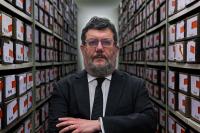
Tony Comer, GCHQ departmental historian, (described by one historian as “the coolest job in the world”) reflects on his 37-year career.
Starting out as a linguist, Tony worked in various roles across the organisation before becoming GCHQ’s first publicly avowed historian in 2009.
Before leaving, Tony looked back at his time at the UK’s intelligence, cyber and security agency spanning five decades.
Q: What’s it been like to be GCHQ’s first publicly avowed historian?
“One of the biggest challenges has been being the eighth GCHQ historian, and standing on the shoulders of some giants: too late now, but my strapline for 2019 might have been “One Hundred Years of Sigint Historians.
“I have been the first GCHQ historian to go out in public to talk about what GCHQ has been doing for a century. It’s always exciting to talk to an audience: you can never predict what they are going to ask."
Q: How much can people find out about GCHQ’s history?
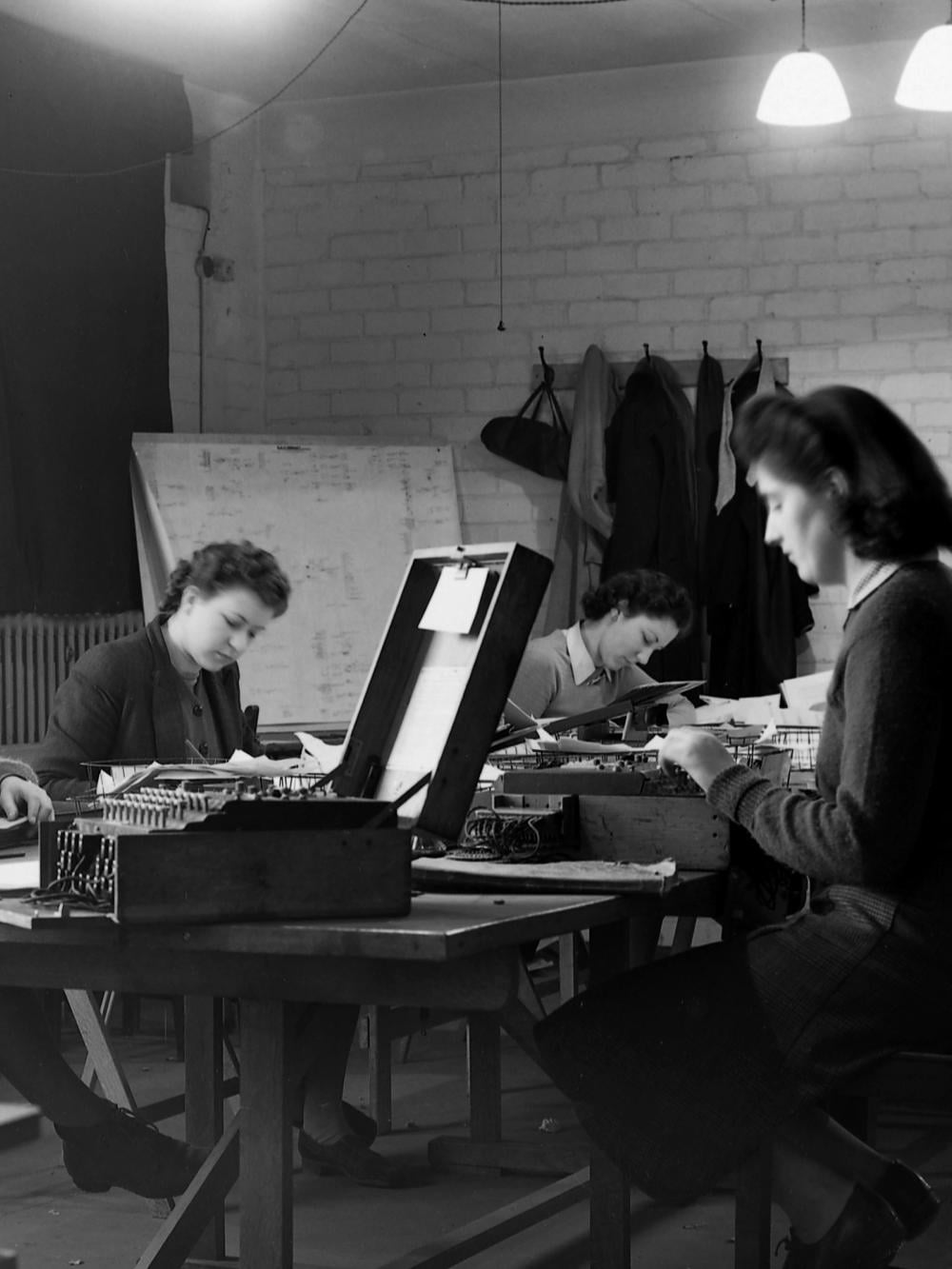
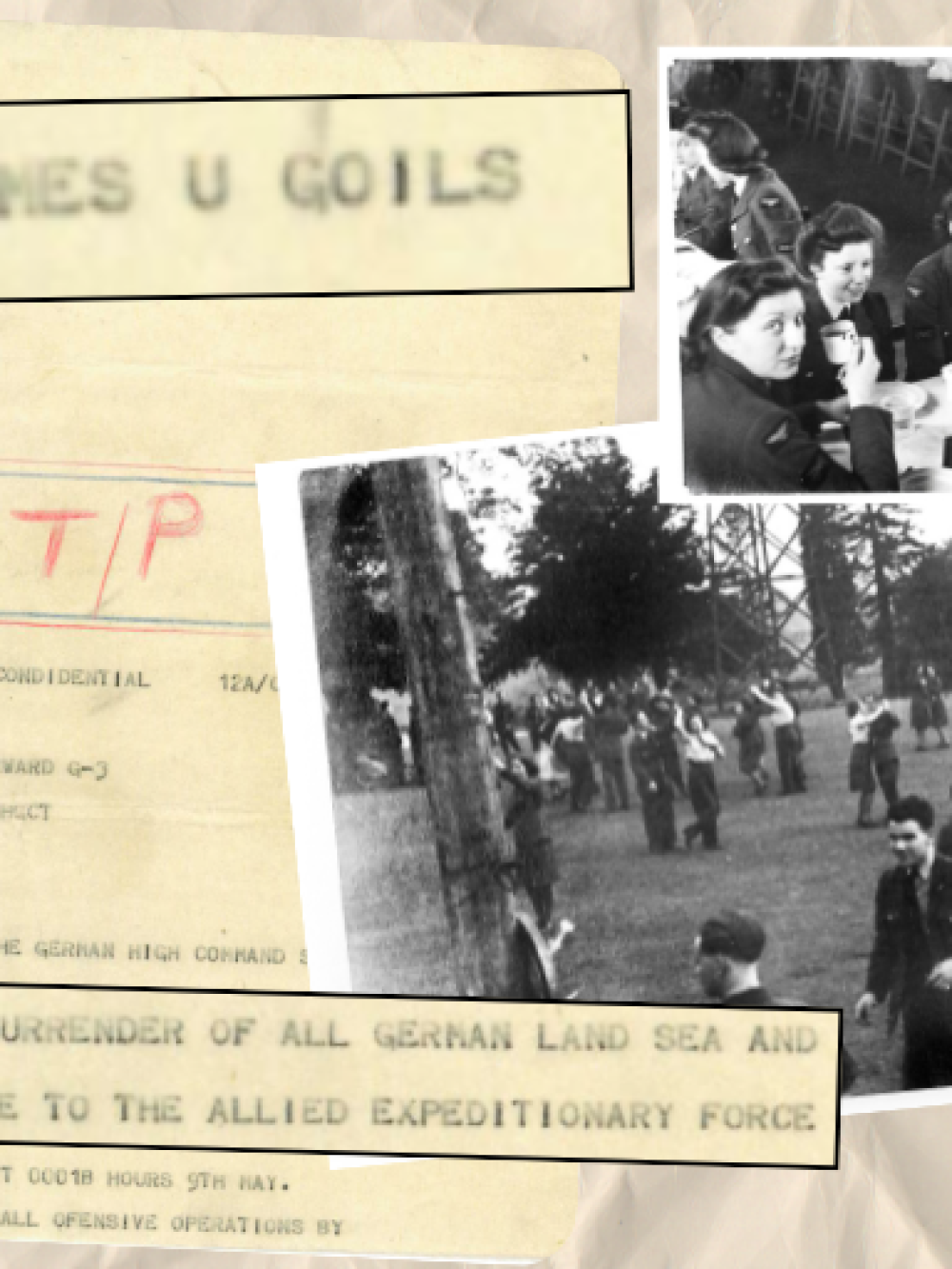
“There is probably more about GCHQ’s (and its First World War predecessors’) history up to the end of the Second World War than about any other intelligence agency.
“We are a secret intelligence agency and we are obviously obliged to keep our secrets, and our allies’ secrets, safe, but if we want public consent form Parliament to give us the authority to use the powers that we can deploy, we need to engage with the public on just what sort of organisation we actually are.
“The forthcoming authorised history by Professor John Ferris, will expand on this and bring aspects of it much further forward.”
Q: How important are international partnerships to GCHQ’s work?
“One of the really important lessons from our history is that no single country can go it alone in signals intelligence. If it hadn’t been for the Poles, we wouldn’t have been breaking Enigma in 1940. If it hadn’t been for the French, we would never have met the Poles.
“The Five Eyes partnership, which celebrates its 75th anniversary next year, has underpinned our and our allies’ security throughout its existence.
“I think I’ve visited 23 of our partners so far on behalf of GCHQ and I could write a short essay on each one saying why I liked visiting each of their countries so much.
“But here are three bullets: I love Canada, but only for eight months each year; I have loved revisiting Madrid, where I had lived as a poor student, without having to count the pesetas; and there is something very special about New Zealand.”
Q: When you first joined as a linguist, I bet you didn’t know what was in store for your career, did you?
“No, not at all. When I first thought about applying to GCHQ (at that time the intelligence agency that dared not speak its name) I didn’t know what it actually did! I thought I was joining the Foreign Office’s translation bureau!
"Although I stopped working as a full-time linguist after only four years in GCHQ it has been fun at NATO meetings, for example, not to be a caricature Brit who can only speak English but rather somebody who can speak to various representatives in their own languages.
“Even if you can only say ‘Two beers please and my friend’s paying,’ you immediately establish a link to the person you’re talking to. All of GCHQ’s partnerships are, at their core, built on the relationships between individuals, and there is nothing like sharing somebody’s language to establish friendships.
Q: What is the one message you would have for your successor?
"I'd say: ’This is the best job in GCHQ – make sure you enjoy it!’
Q: What has it meant to you personally, working for GCHQ?
“I’ve always been proud to represent GCHQ whether with the UK or allied intelligence communities, or, in this post, when engaging with the public.
“For a lot of people, I am the only member of an intelligence service they will ever meet (or at least know that they have met) – that is a terrific honour.
“In some ways I wish I were in my 20s again, just setting out on my career: now is as exciting a time to be working at GCHQ as any in our history. Our role used to centre on providing crucial intelligence to inform government decision making: now it’s focused on keeping every one of our fellow citizens safe.”
Q: What message would you give yourself on your first day at GCHQ 37 years ago?
“This place is like a theme park where you’ll be able to change rides every couple of years and gradually build up a picture of how this complex machine works, and actually contribute in some small way to making bits of it work better.
“It’s all new and exciting today: one day it won’t be new anymore, but it will always be exciting.”