How codebreakers helped fight the Battle of Britain
Analysts at GCHQ's forerunner Bletchley Park provided vital intelligence in the struggle to defend Britain's skies
Shortly after the fall of France a lot of high-level German Luftwaffe communications went over to landlines which caused a severe slump in intercepted Enigma signals and little was gleaned on German plans to invade England until serious preparations began in the summer of 1940.
The first major breakthrough in the regular decryption of German traffic during World War II was the reading of Luftwaffe messages from the spring of 1940 onwards. For Germany to succeed with an invasion of Britain they would need air supremacy by destroying the RAF and its airfields in south-east England. At the beginning of WWII, the Luftwaffe was the largest and most powerful airforce in Europe. The Luftwaffe had 2600 aircraft at its disposal, which outnumbered the RAF by 4 to 1. The total surrender of Britain would depend on whether the RAF could prevent the Luftwaffe wiping out our air squadrons and airfields.
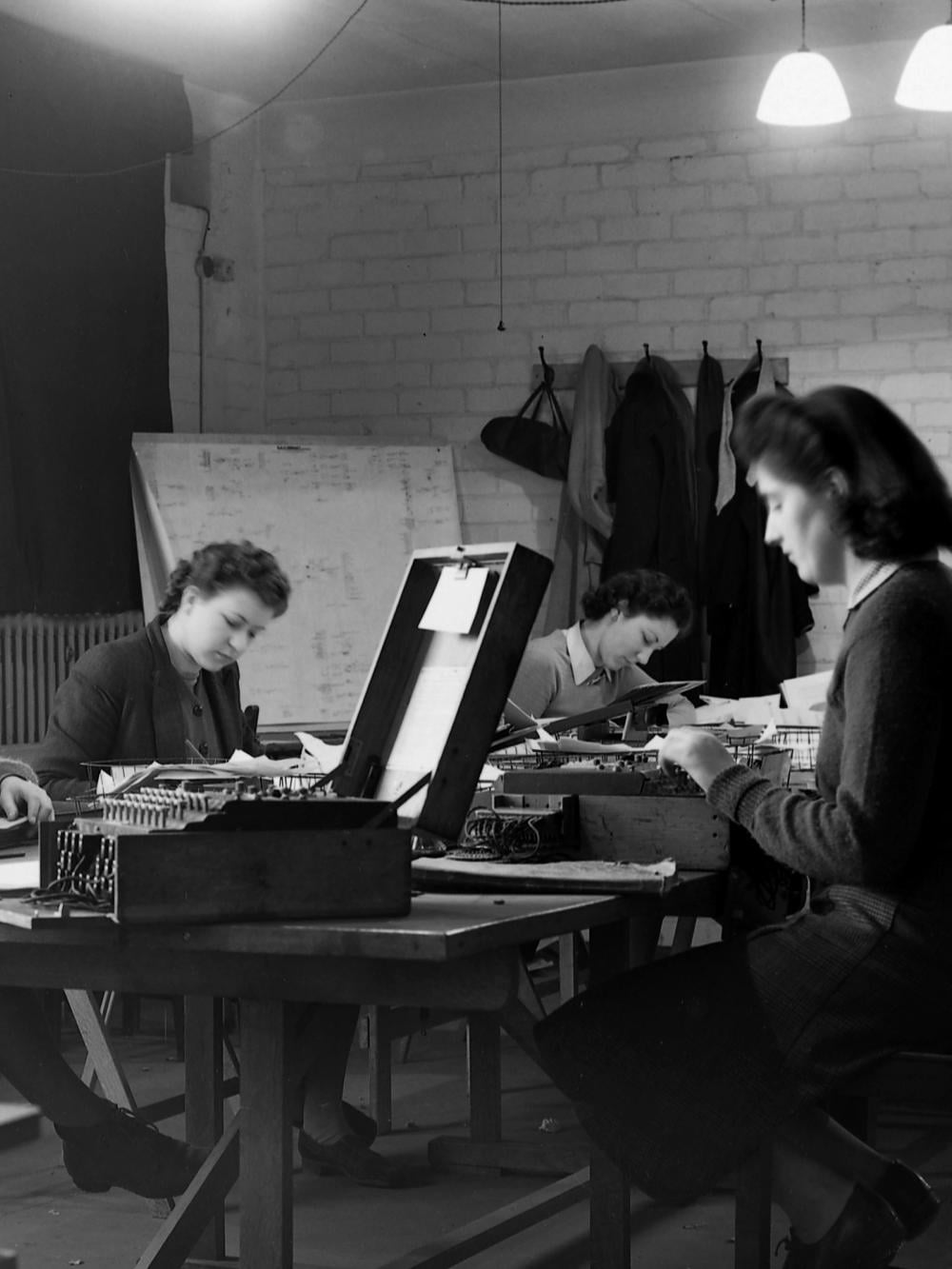
The Germans used Enigma, as well as other lower-grade encryption systems, and analysts at Bletchley and RAF Cheadle were increasingly able throughout the Battle of Britain to give indicators and warnings to Fighter Command to allow it to target its scant resources against the German Air Force.
There were two types of signals intelligence which would help in the air defence of Britain. Firstly, the product of the lowest grade tactical communications providing insight into the scale and location of a German air attack after he was airborne and secondly the decrypts from his most secret high echelon communications which would give us knowledge of his technical advances in aircraft development and tactics in the air.
ULTRA was to provide the key to Air Marshall Hugh Dowding’s strategy to keep the Luftwaffe at bay. Dowding was the Commander in Chief of RAF Fighter Command during the Battle of Britain. ULTRA would provide unique insight into the German invasion preparations (called Operation SEA LION) and an overall picture of the German offensive. There could be no Operation SEA LION until the RAF had been eliminated.
ULTRA could also provide indications of the true losses to the German Luftwaffe, from intercepted signals ordering replacement aircraft and aircrews.
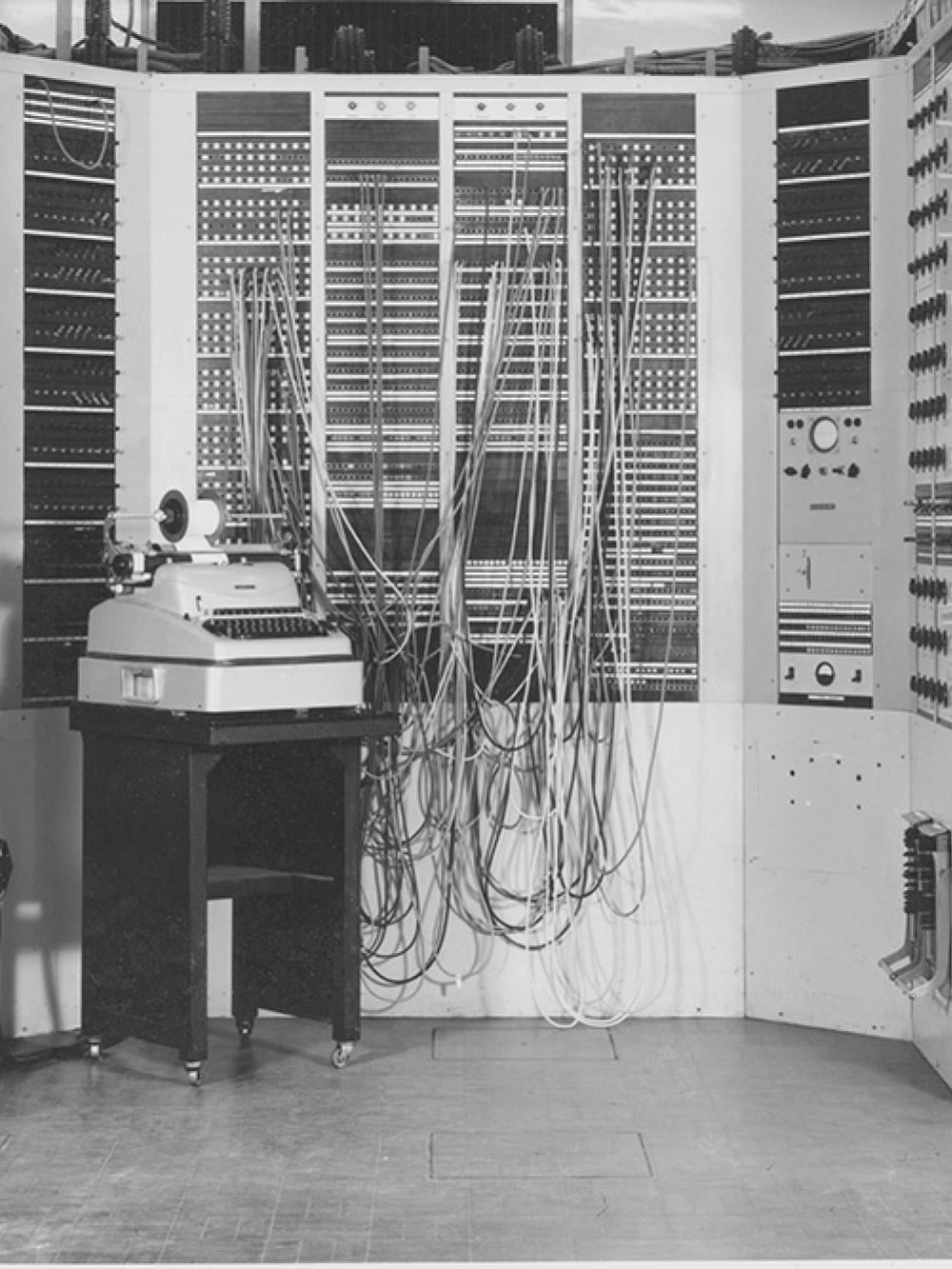
ULTRA signals were sent to the Prime Minister and Chiefs of Staff initially via dispatch rider or telephone (for more important or timely messages) and later via teleprinter from Hut 3 after they had been edited and annotated. When Churchill was in London he would receive ULTRA signals in his red box at No. 10 Downing Street, except during the Battle of Britain when they were sent to his underground war rooms below Storey’s Gate. If there was something of urgency it would have been telephoned directly through to his Private Secretary.
One of the key recipients of Luftwaffe ULTRA traffic from Hut 3 was Air Vice Marshall Keith Park at RAF Uxbridge, who commanded the No. 11 Group RAF, which was responsible for the defence of South East England and London.
It wasn’t until the 5th August that GC&CS completed its first attempt at a Luftwaffe order of battle compiled from ULTRA intercept.
As the Battle of Britain ran on, the RAF’s Air Intelligence branch developed a growing understanding of the Luftwaffe organisation and order of battle, almost exclusively from Enigma decrypts at Bletchley. In conjunction with RAF Cheadle, which was intercepting low grade cipher traffic from the Luftwaffe off medium and high frequency radio transmissions and RAF Kingsdown, it would build a significant intelligence picture of Luftwaffe sorties.
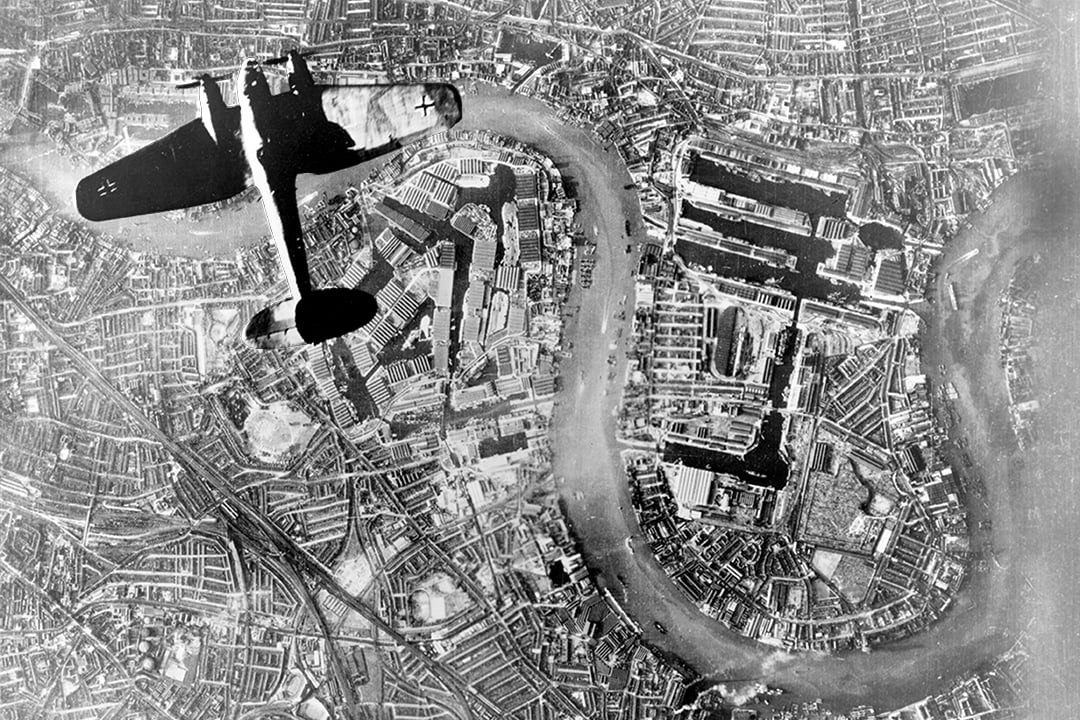
A German Heinkel He 111 bomber over London
Traffic Analysis or ‘footprinting’ as it was known was coming to the fore at this time at Bletchley and its Y stations1. The majority of German bomber units could be identified very soon after HF traffic had been intercepted at the start of each operation. The success of the interplay between Bletchley and the services stations was most marked in the understanding of the Luftwaffe’s secret callsign system.
Every unit in the Luftwaffe was allotted daily-changing secret callsigns from a master callsign book called the ‘Rufzeichentafel Ausgabe B’ (known to us as the ‘Bird Book’2). This contained 40,000 callsigns, each consisting of a 3-symbol combination of figures and/or letters.
The Cheadle war diary states ‘the casual way in which German operators treat their callsigns suggests that they must rely mainly on frequencies for identifying one another.’3 The callsign and frequency system introduced by the Germans in November 1939 remained in force until December 1942 and during this period Cheadle could identify Luftwaffe units and strengths at known bases and follow changes in basing and temporary transfers of units engaged on operations from one airfield to another.
As early as 1927 the RAF had accepted the task of erecting Direction Finding (DF) stations for locating attacking aircraft and how these bearings and decrypted texts could be used to inform GC&CS and an Air Defence Headquarters.
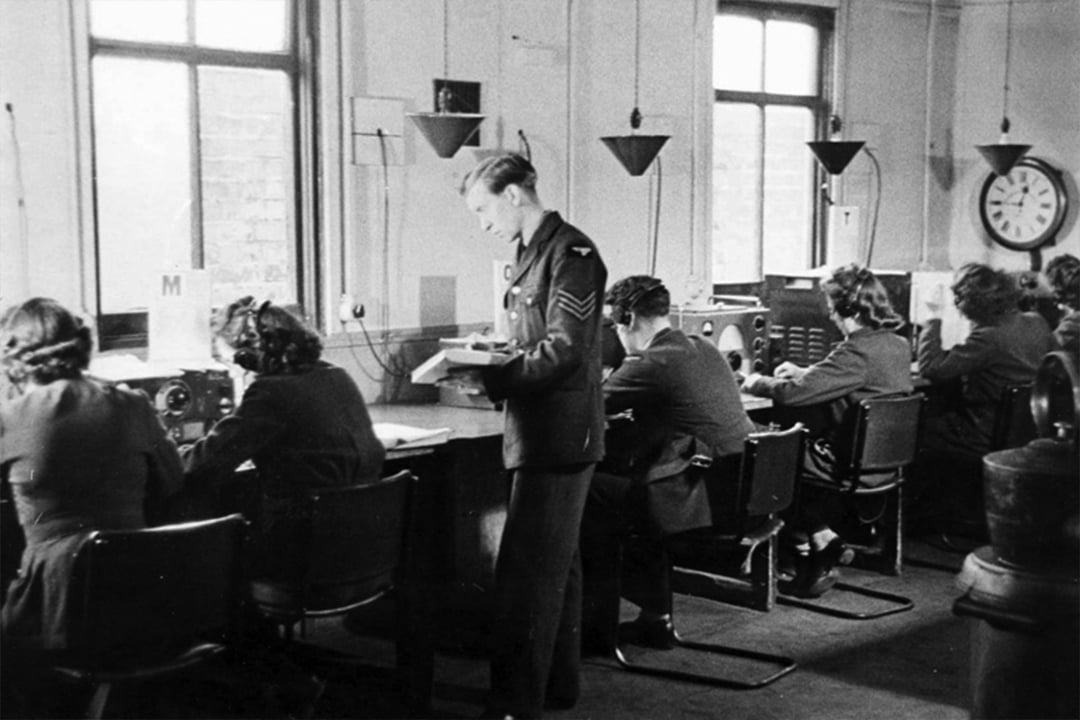
The set room at RAF Cheadle
Along the English coast were a number of mobile collection stations known as the Home Defence Units (HDU). They were intended as an anti-invasion measure and operated under the control of the nearest RAF or Naval Command, with the aim to provide warning of approaching enemy aircraft or light Naval craft.
As the Battle of Britain ran on, the HDU’s became adept at determining where German aircraft were forming up for a raid outside the range of British radar coverage. They could also predict the altitude of the aircraft and whether they were bombers or fighters, all vital intelligence for RAF Fighter Command. In combination with radar and photographic intelligence during the battle, RAF Fighter Command was comprehensively forewarned. From July 1940 the intercept logs from the HDUs were passed to the RAF Section at Bletchley Park for longer term study.
It was eventually decided to use the RAF fixed intercept station at Kingsdown as a collection centre and to tie in lines from the HDUs at Gorleston, Hawkinge and Beachy Head, which had the greatest experience of supplying intelligence to the Fighter Command groups during the Battle of Britain.
By the end of July Luftwaffe bombers were using navigational beams to bring them on to their targets. The decrypts available from the Luftwaffe general purpose Enigma key provided some information on the first of these systems, called ‘Knickebein.’ In September 1940 the high-echelon cryptanalytic team at GC&CS broke the Enigma key used by IV Luftnachtrichten Versuchsregiment (IV Company of the Signals Experimental Regiment of the Luftwaffe) which would provide insight into the navigational beams - including the locality of the target, so fair warning could be given to the civil defence authorities for precautions to be made.
An ULTRA intercept from the German Luftwaffe Commander-in-Chief, Hermann Goering, highlighted that he had issued orders that the Luftwaffe attacks were to go much further inland to bring ‘the RAF up to battle.’ It was a vitally important signal as it reiterated Goering’s need to get the RAF fighters up in great numbers so the Luftwaffe could destroy them. Goering ultimately hoped a victory against the RAF would be enough to force peace without an invasion.
Dowding’s understanding and interpretation of the ULTRA intercept was an important contribution to our success in the Battle of Britain. Both Dowding and Keith Park handled the ULTRA intelligence with extreme care with the key sector aerodrome commanders, never once hinting on their original source.
On the 15th August the Luftwaffe attempted to disrupt Fighter Command by combining diversionary raids north of the Humber estuary with the main attack against Southern England. It was to be the turning point in the Battle of Britain. Forewarning of the attacks came from radar rather than ULTRA.
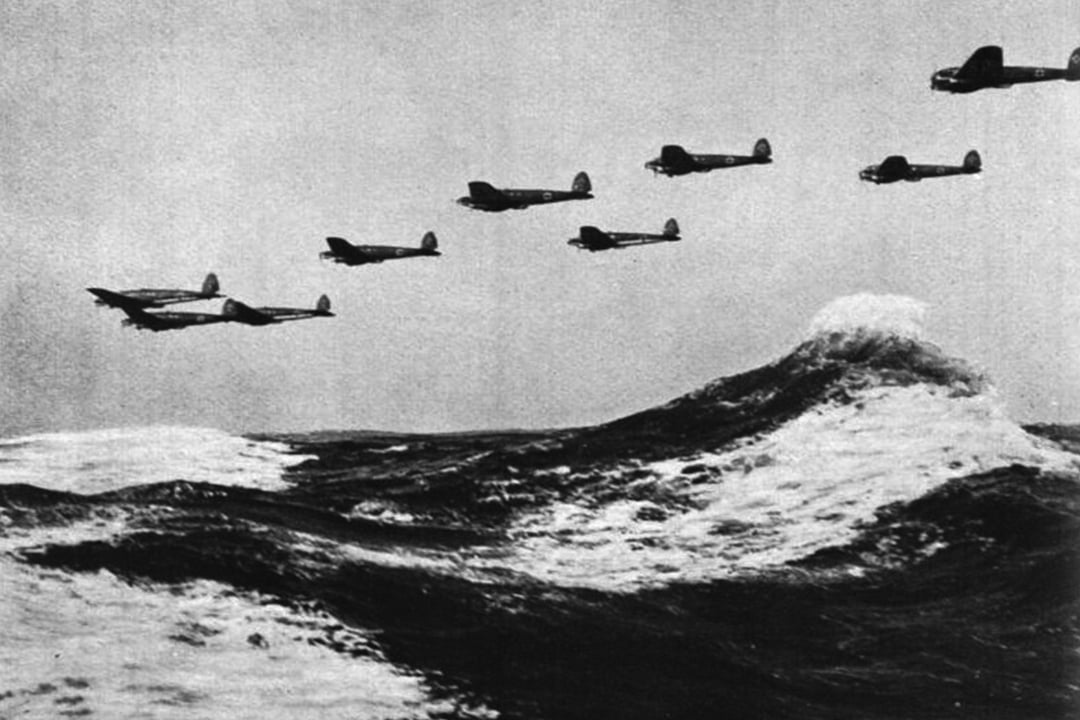
German Heinkel He 111 bombers over the English Channel
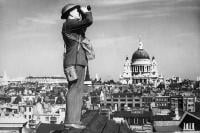
Goering’s change of tactic to send his bombers further inland was critical. The RAF aerodromes further inland and nearer London which were now threatened were also the vital radar sector aerodromes which directed the RAF fighters into their Luftwaffe targets. But the German fighters lacked the fuel capacity to go the extra distance inland. On the 24th August the attacks on inland aerodromes began and were to last an entire fortnight. As the German formations came further inland, warnings from the Royal Observer Corps and radar stations on the coast the RAF fighters had more time to scramble and intercept.
But over time the pilots were getting exhausted from their endless sorties, Fighter Command was getting desperate for aircraft and pilots and by the 30th August things were beginning to look like potential defeat for the RAF and for Britain, but the Luftwaffe was also feeling the effects of the campaign. ULTRA was showing that they could no longer replace their downed aircraft – their supply organisation wasn’t prepared for the pace and attrition of this new aerial war. The Germans were also paying little heed to radio communications security, to the benefit of RAF Cheadle.
As experience grew within the SIGINT team at Fighter Command, the system of tracking raiding aircraft by combining the SIGINT information with the radar plot reached a state of considerable efficiency. When Luftwaffe aircraft began to come in at lower altitudes to avoid our coastal RADAR systems the SIGINT warning alone could be relied upon.
If Goering had kept up the pressure on the RAF things may have turned out differently. But at 11am on the 5th September Goering sent a message to General Field marshall Albert Kesselring about coordinating a 300-bomber raid on the docks of London. ULTRA provided prior warning of this afternoon attack to Dowding and the British PM within minutes of it being sent. This was to be the beginning of the London Blitz and the end of the Battle of Britain.
On the 7th September the Luftwaffe changed tactics and targeted London. The 15th September was a turning point in the battle where the Luftwaffe launched its largest attack against London in the hope to draw what was left of the RAF out in the open. Over 1500 aircraft took part in this one aerial battle which ended at dusk.
Signals intelligence had made an important contribution to Fighter Command during the crucial weeks of August 1940 and the first half of September.
1 - The first attempts at GAF TA were with MI8 in Caxton St in the summer of 1940 (based on info from Enigma BLUE decrypts) but building up the picture took a good year. When Bird Book was captured they could exploit well and quickly.
2 - In the application of the ‘Bird Book’ to tactical use the rows of daily-changing callsigns were allotted not to units but to ‘Frequency Allocation Groups’ or FAGs. These frequencies in their turn were allotted to units on a daily-changing cycle, or ‘WEL’ which recurred monthly until March 1940 when an additional complication was introduced whereby WEL’s were re-allocated every month and no unit got the same WEL twice in a year
3 - Page 55, GC&CS Army and Air Force SIGINT Vol XVI