A Brief History of the UKUSA agreement
This alliance defines how we share communication, translation, analysis, and code breaking information, and has helped protect our countries and allies for decades. The amazing women and men at our two agencies use their skills and diversity to make a difference.
Here is a brief history of the UKUSA agreement.
WWI & beyond
The earliest intelligence collaboration between the UK and USA can be traced back to the First World War, when both countries shared training, advice, and tactical intelligence. In the 1920s and 30s the relationship cooled off. It wasn’t until February 1941, ten months before Pearl Harbour, that they picked up the baton.
January 1941 - The Sinkov Mission
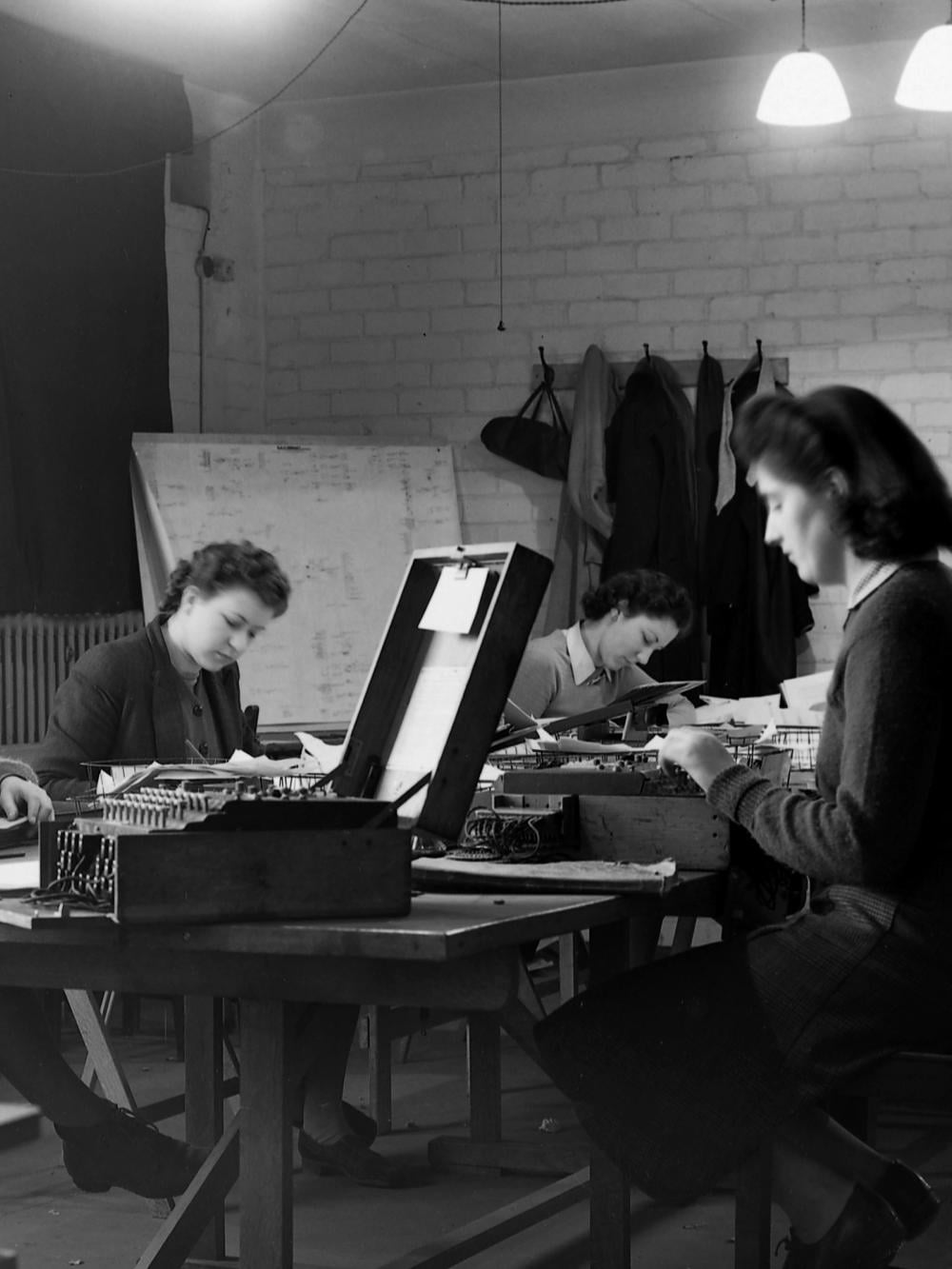
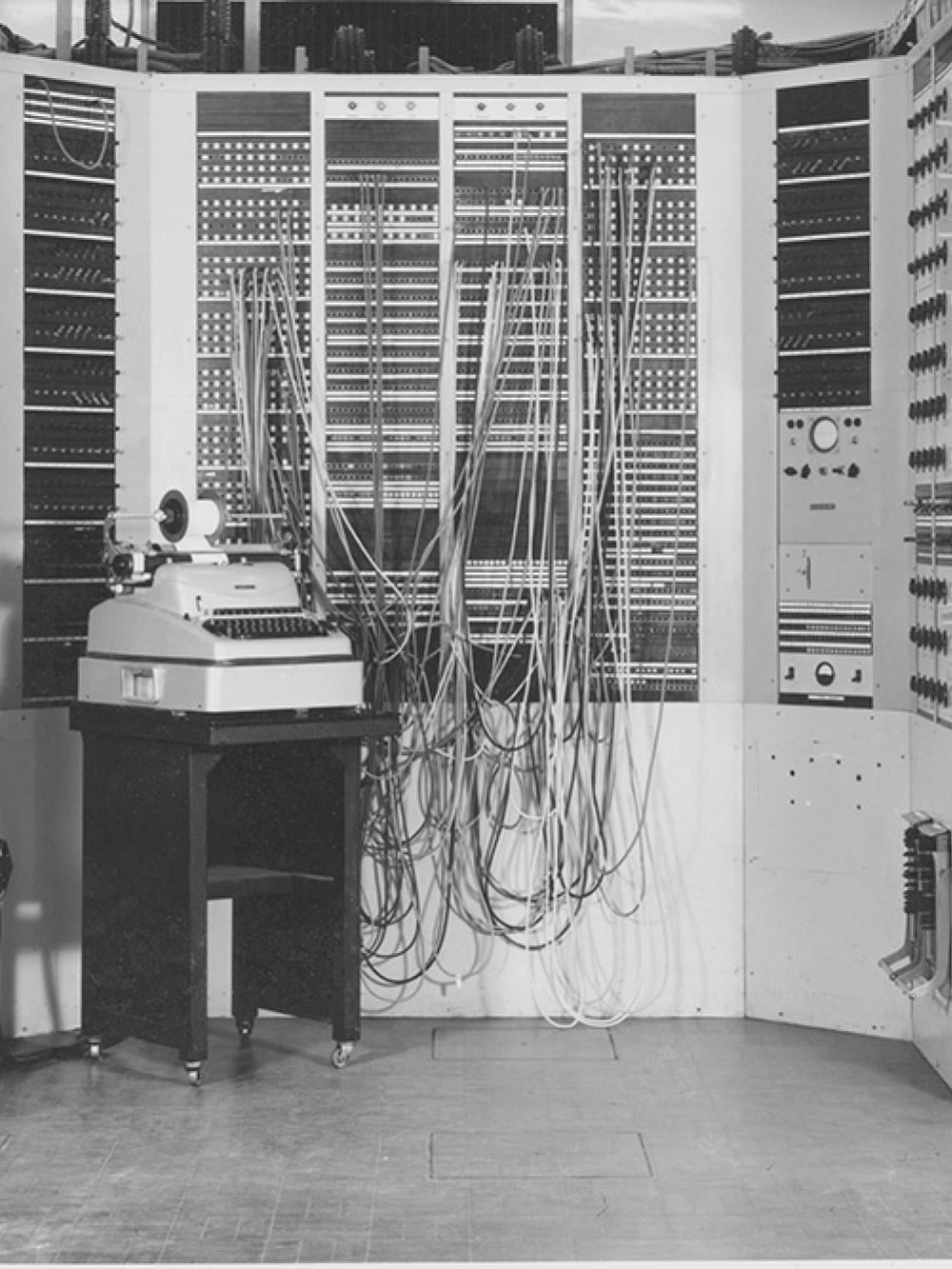
American intelligence officials visit Bletchley Park and share their copy of Japanese coding machine they’ve broken. With Churchill’s blessing, the British reveal the Bombe machine, designed by Alan Turing to break the Enigma, the enciphering machine used by the Germans to send secure messages.
March - May 1941 - Reaching Out
Commander Alastair Denniston follows up on the visit to Bletchley meeting with US Cryptanalyst William Friedman. The close Anglo-American communications intelligence alliance we know today starts to take shape.
14 August 1941 - The Atlantic Charter
The Atlantic Charter is signed by Winston Churchill and Franklin D Roosevelt and issued on 14 August 1941. It set out American and British goals for the world after the end of World War II. The charter later became the basis for the modern United Nations.
7 December 1941 – Japan attacks Pearl Harbour
Japanese forces carry out a surprise attack on Pearl Harbour, the U.S naval base near Honolulu in Hawaii. More than 2,400 Americans died in the attack, and another 1,000 people were injured. The day after the assault, President Franklin D. Roosevelt asked Congress to declare war on Japan.
17 May 1943 - BRUSA Agreement
BRUSA laid the foundations for UKUSA. It followed Alan Turing’s visit to Washington to oversee codebreaking work on Enigma and several bilateral liaison visits between both countries. BRUSA was signed between the US War Department and GC&CS and agreed to share intelligence information between the two countries to support US forces in Europe, exchange personnel and develop joint regulations for the handling and distribution of highly sensitive material.
May-March 1945 – End of the War Discussions
Between March and May 1945, in the last few weeks of the war in Europe, Sir Edward Travis, Operational Head of GC&CS and his staff officer Harry Hinsley made a round-the-world tour. Discussions in Washington would shape post-war arrangements with US Army and Navy Signals Intelligence commanders. As the war in Europe ended, on the 12th September 1945 US President Harry Truman was to agree in principle to post-war communications intelligence cooperation.
November 1945 - Terms agreed
Momentum was now building. Between September and October 1945 further trips were undertaken to Washington by Sir Edward Travis, Harry Hinsley and Brigadier John Tiltman to negotiate a future intelligence agreement. Finally, on their visit to Washington in November the text of the bilateral framework was agreed upon.
5 March 1946 - UKUSA Agreement
The agreement was signed by Colonel Patrick Marr-Johnson on behalf of the London Signals Intelligence Board in his role as the Senior UK Liaison Officer in Washington and Lt General Hoyt Vandenberg in his role as the Chairman for the US State-Army-Navy Communications Intelligence Board (STANCIB).
1949 - Canada joins UKUSA
1956 - Australia and New Zealand – forming the 5 Eyes Alliance.
The Agreement was not officially acknowledged though its existence was known about from the 1980s.
2010 – UKUSA Agreement Released
Files containing details of the newly avowed UKUSA agreement are released to the National Archives for the first time. This includes end product reports from the early years of the Cold War.