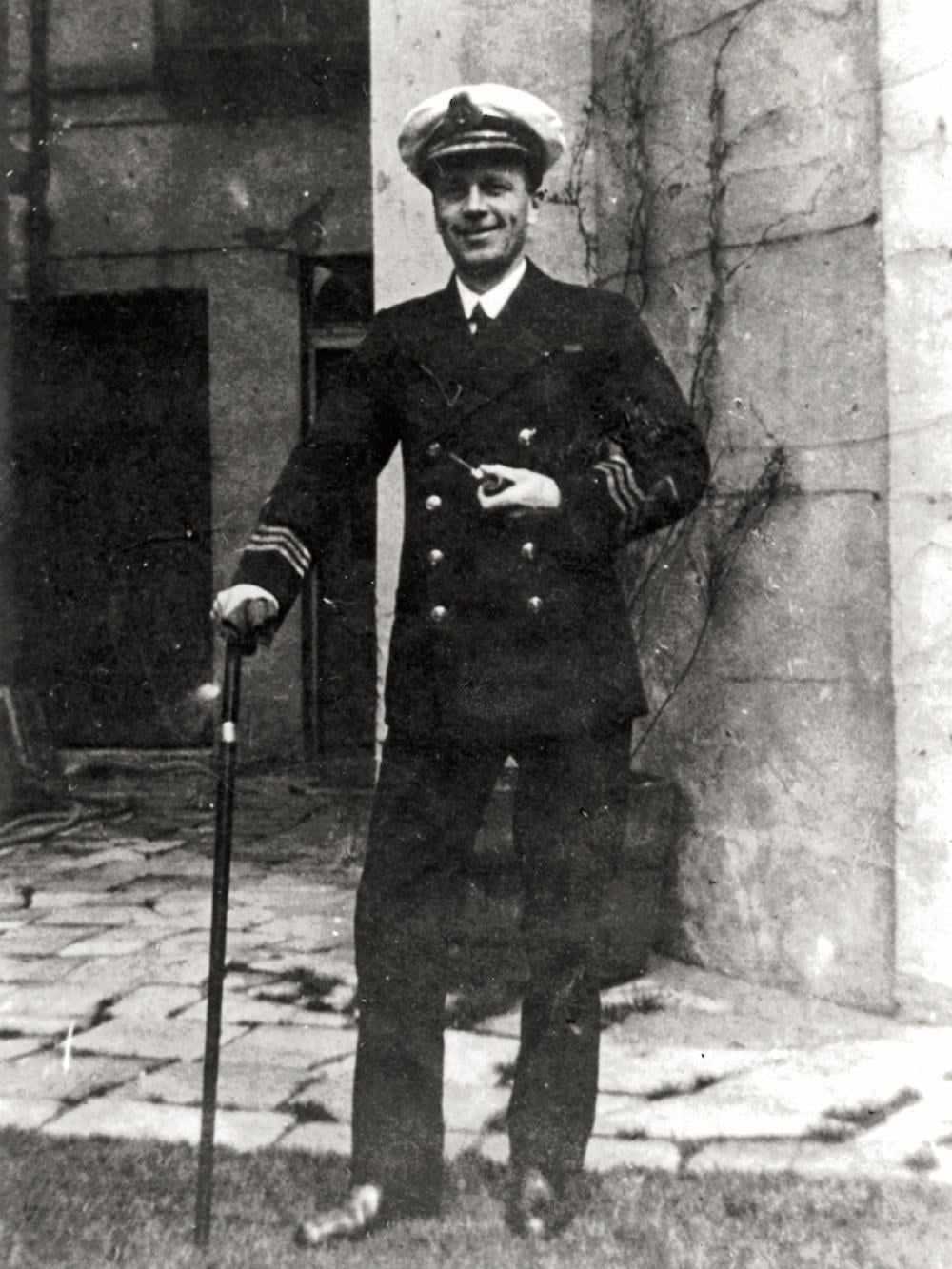
Our origins & WWI
British Signals Intelligence began in August 1914 following the outbreak of World War One
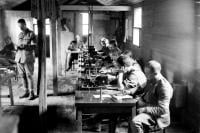
Over the course of the First World War, Signals Intelligence provided valuable insight into enemy plans, so much so that a peacetime cryptanalytical unit was formed in 1919 to continue the mission. Originally called the Government Code & Cypher School, it would later be renamed GCHQ.
The Birth of British Signals Intelligence
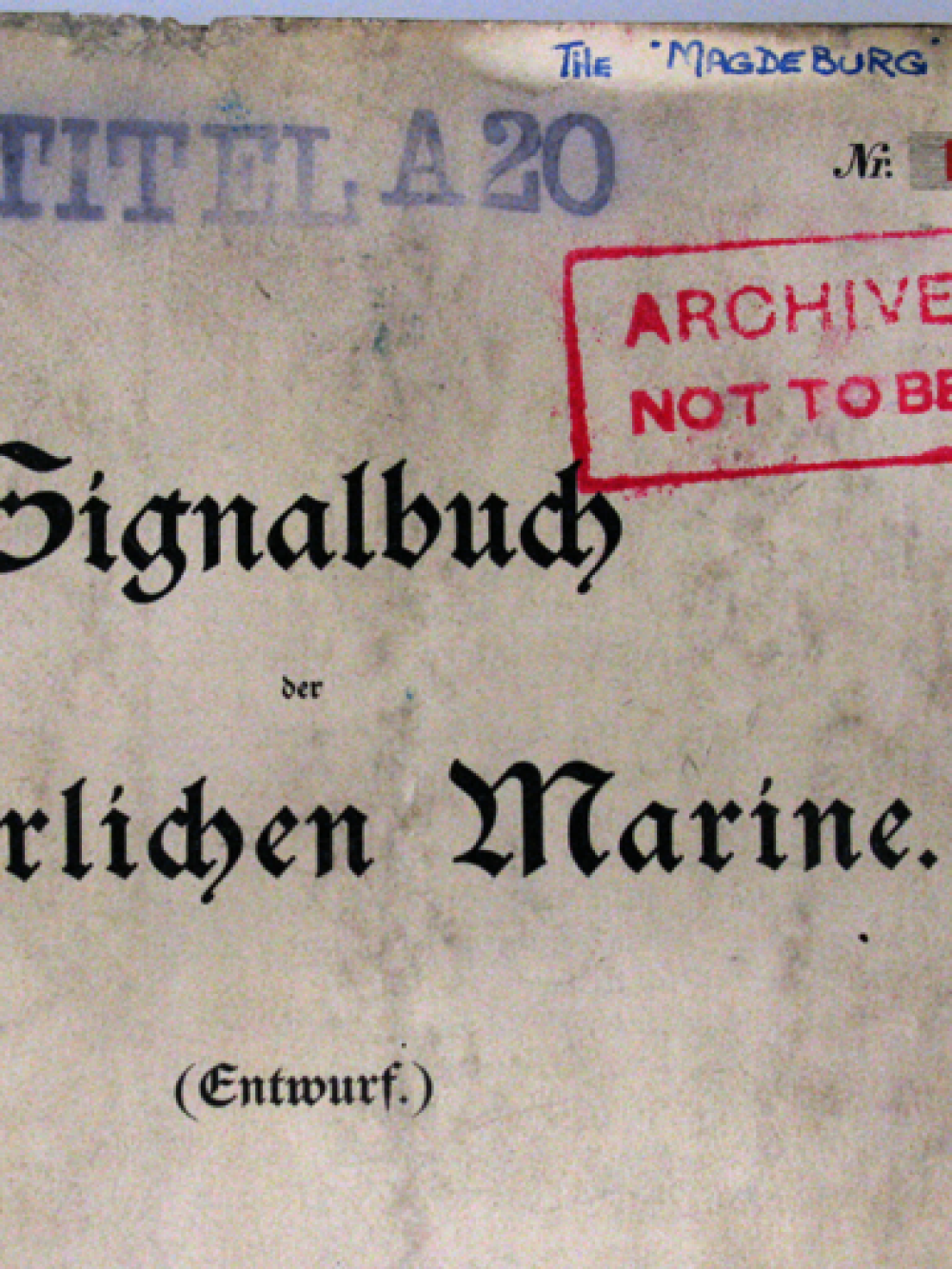
The Admiralty’s Room 40 and War Office's MI1(b) were naval and military intelligence units created at the start of WWI when it was realized that the interception of German radio traffic would give the country an advantage by allowing the UK to anticipate German plans.
The Birth of Signals Intelligence
When British Signals Intelligence began in 1914, the world was a very different place
The Impact of Signals Intelligence in WWI
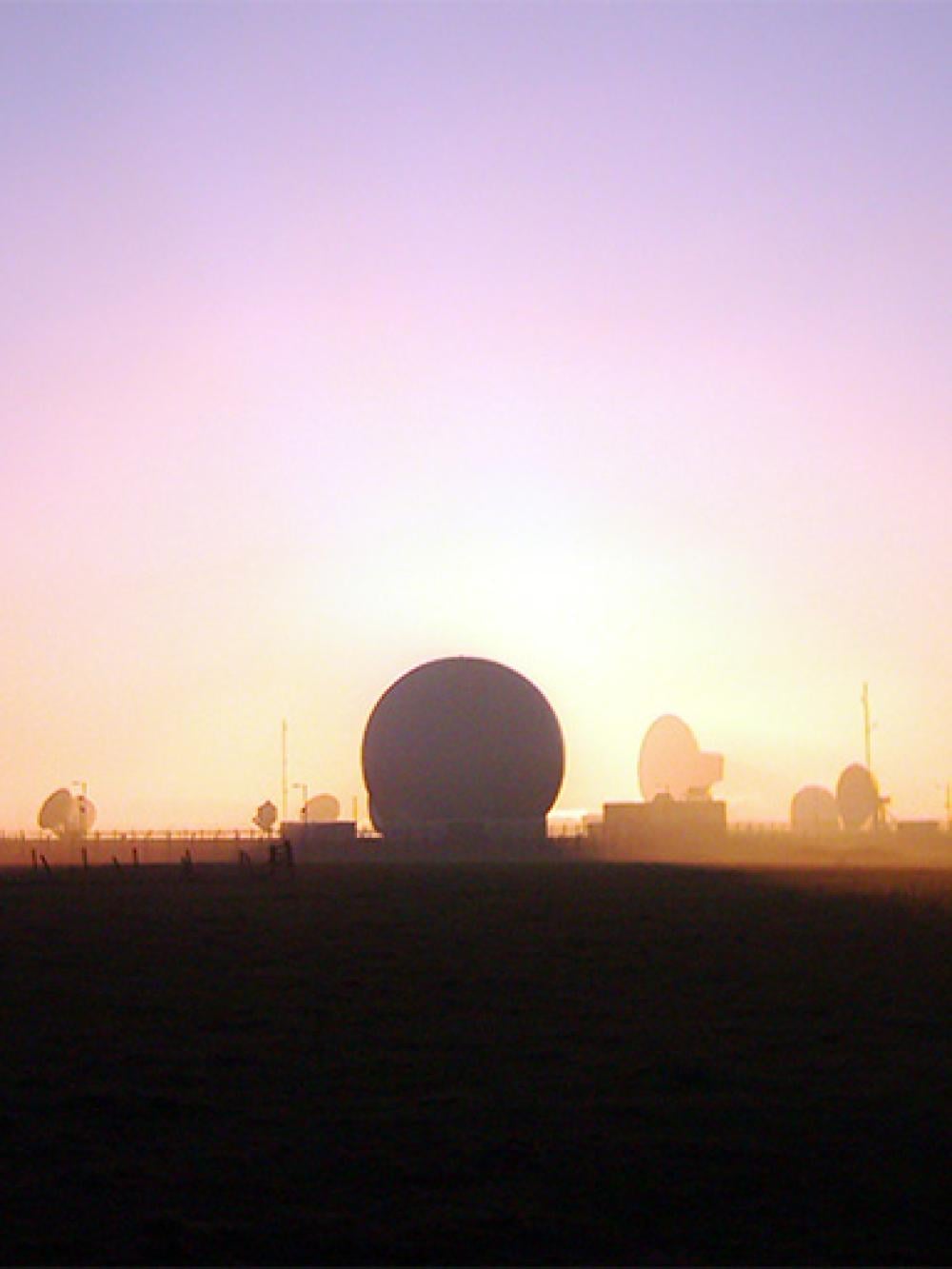
Within a short period of the war breaking out, the UK had established a sophisticated signals intelligence capability against German radio traffic. This intelligence was used throughout the conflict to support all aspects of the British military and diplomatic war effort.
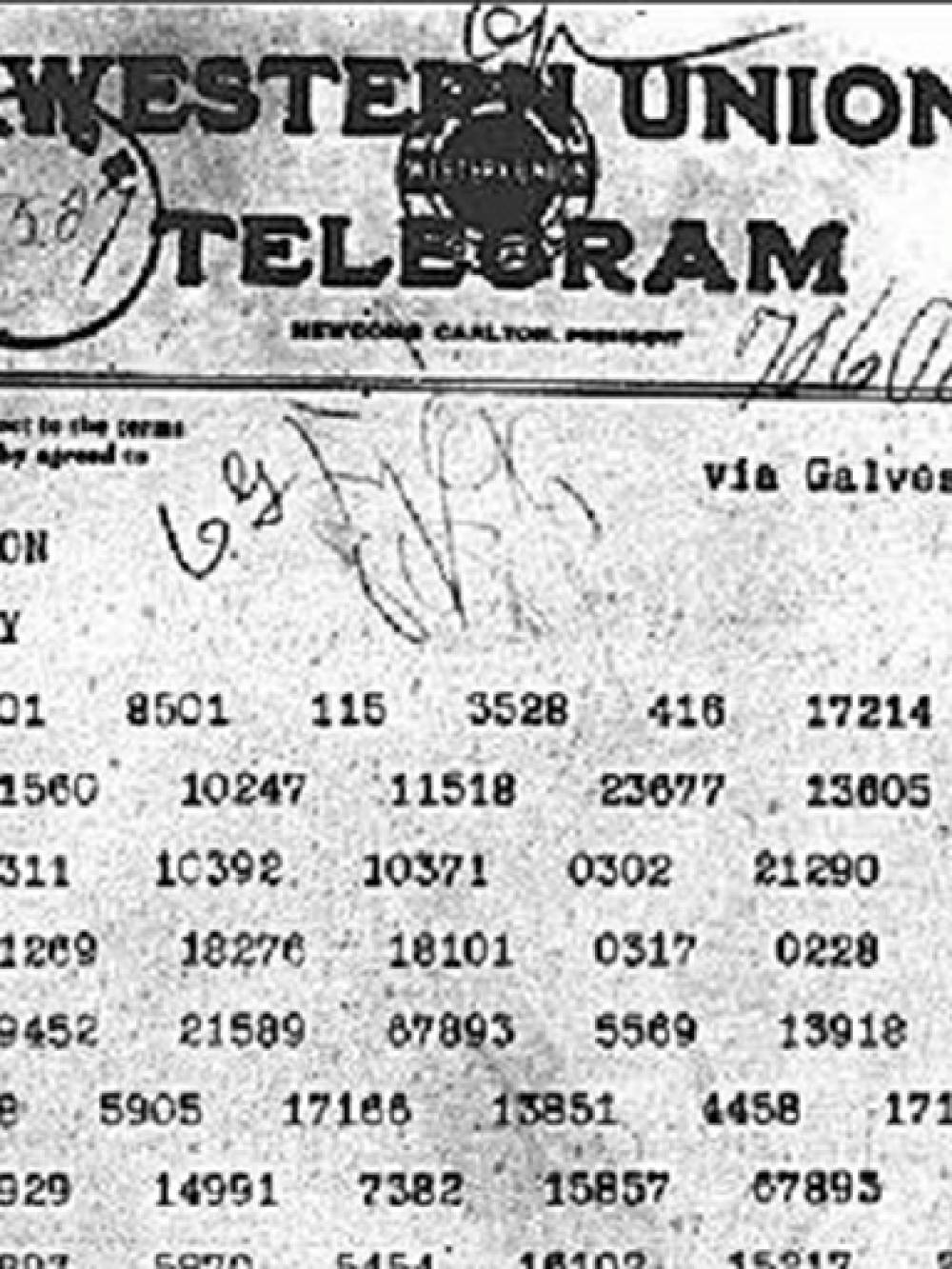
From 1916 it was used to help combat air raids and also offered valuable insight into the German naval movements ahead of the Battle of Jutland. In 1917 the secrets revealed by the interception of a German diplomatic telegram to Mexico contributed to drawing the US into the war. And in 1918 signals intelligence personnel operated on the front line during the major German counter-offensive.
The Impact of Signals Intelligence in WWI
Within a short period of the war breaking out, the UK had established a sophisticated signals intelligence capability against German radio traffic. This intelligence was used throughout the conflict to support all aspects of the British military and diplomatic war effort.
From 1916 it was used to help combat air raids and also offered valuable insight into the German naval movements ahead of the Battle of Jutland. In 1917 the secrets revealed by the interception of a German diplomatic telegram to Mexico contributed to drawing the US into the war. And in 1918 signals intelligence personnell operated on the front line during the major German counter-offensive.
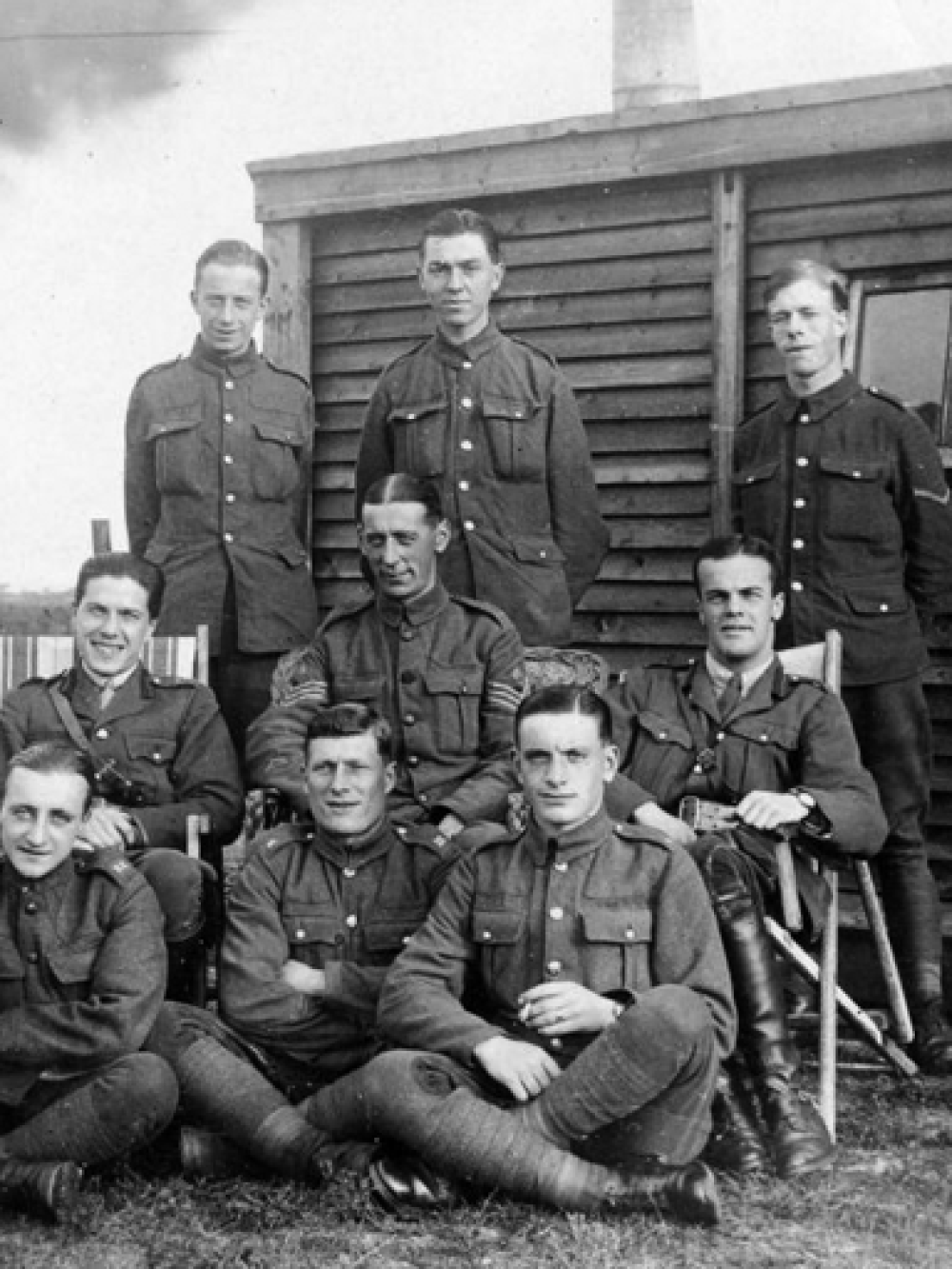
The Establishment of the Government Code and Cypher School
Within a year of the end of the war, the separate naval and military intelligence organisations had merged to become the Government Code and Cypher School (GC&CS), GCHQ’s original name. Its overt function was to protect British Government communications, with a secret mission to decrypt messages sent by foreign countries. Under the leadership of Alastair Denniston, GC&CS’s first head, the organisation was given space in Watergate House and officially came into being on 1 November 1919.